
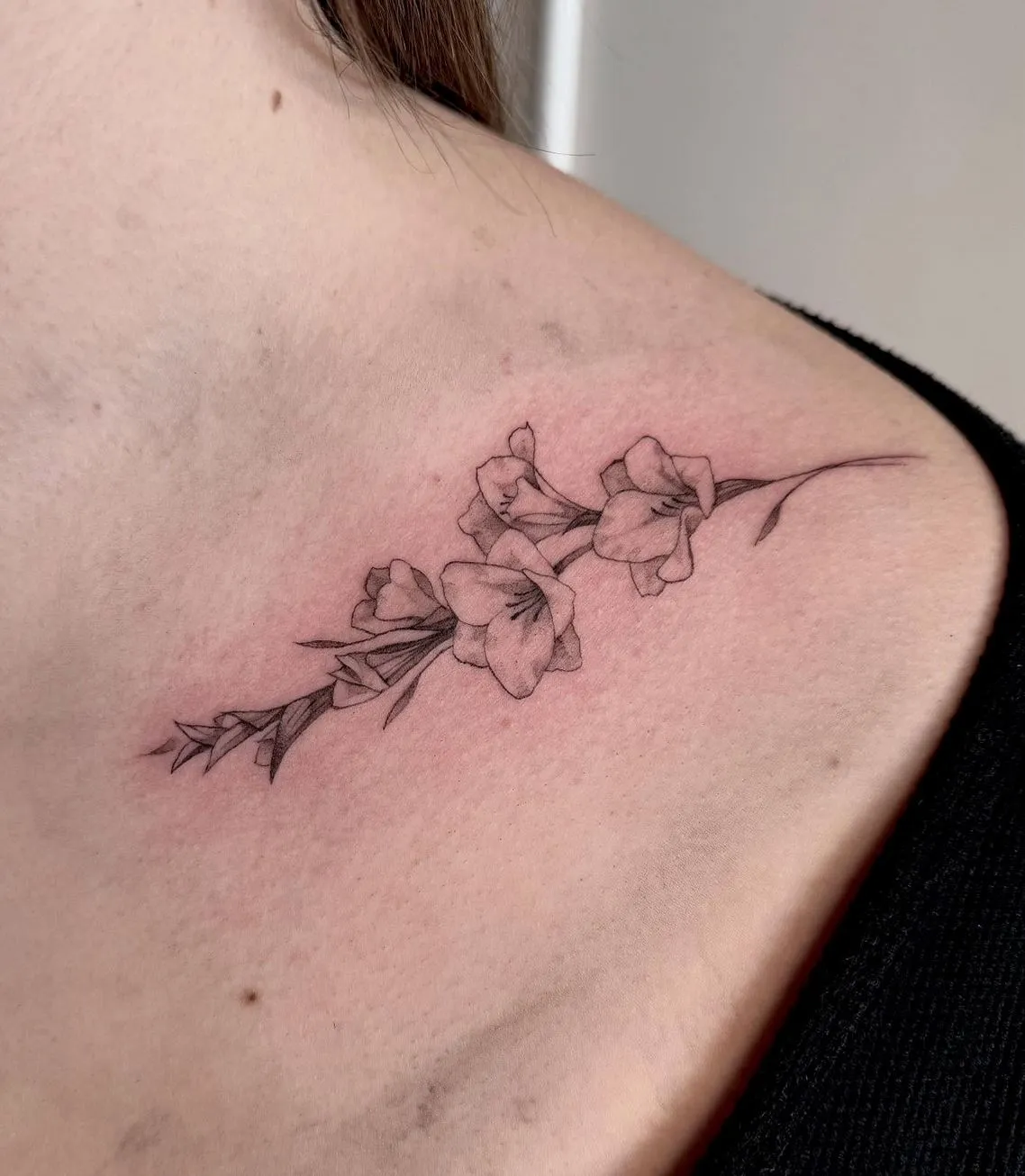
You spent weeks picking the perfect design, booked with a professional tattoo artist, and followed the aftercare instructions to a T. So why is your fine line tattoo already fading just one week in? Deep breath. You’re not alone, and this isn’t always a case of a “bad tattoo.” There are a few culprits we see regularly in the studio, especially with delicate design work like single-needle tattoos. At Cosmetic Tattoo Brisbane Studio Face Figurati, we see this concern more often than you’d think, particularly with fine line tattoo clients new to the tattooing process. Let’s unpack it, without the panic.
What Does It Mean?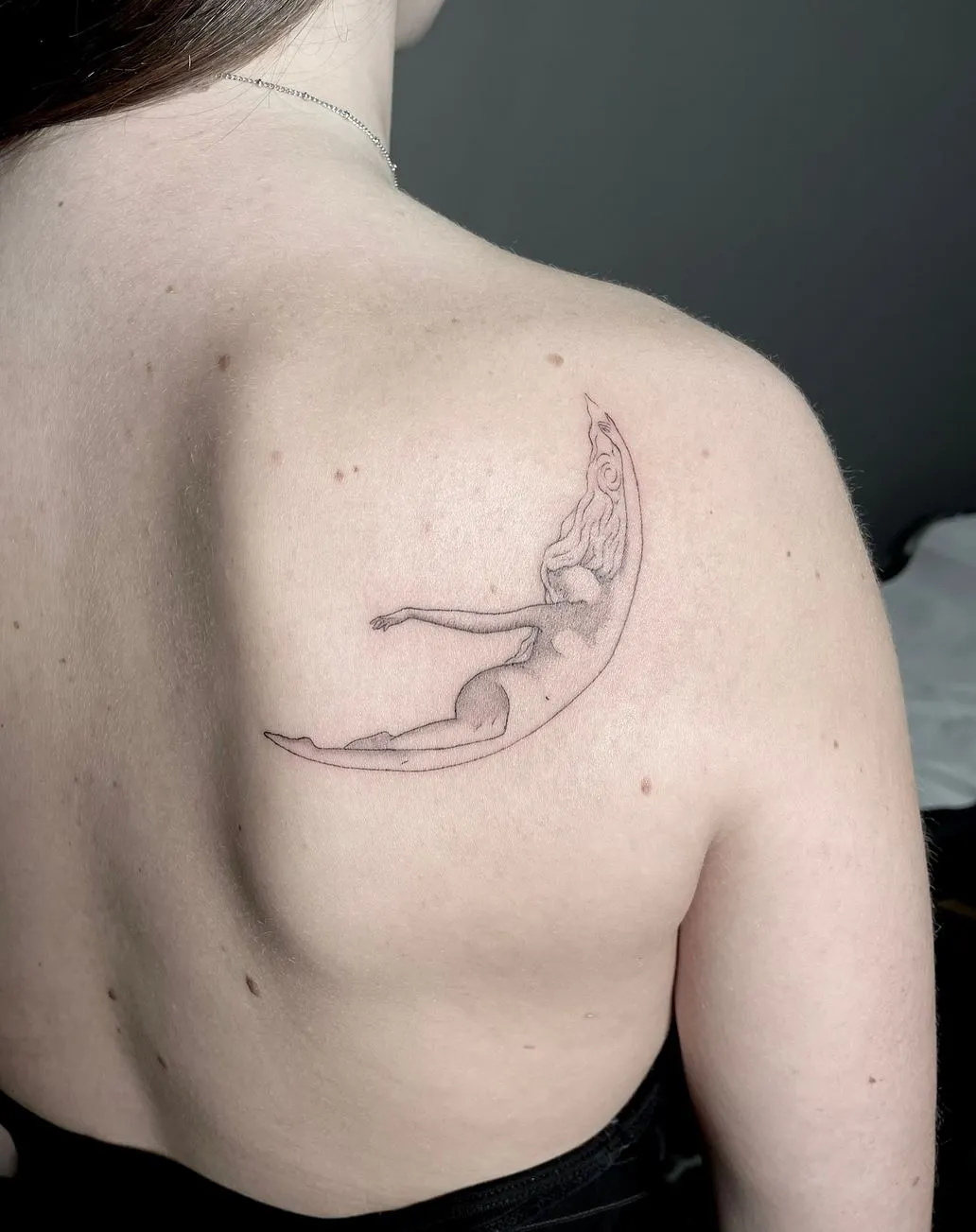
Fine line tattoos are a form of tattooing that uses ultra-thin lines with minimal shading, often performed with a single needle. Think minimalist designs, subtle designs, tiny lettering, micro portraits. They’re stunning when fresh, but they come with their own set of quirks.
- Single needle vs traditional tattoos using multi-needle machines: less trauma, but shallower ink placement
- No shading to hide flaws or inconsistencies
- Rely on skin clarity and even skin texture rather than ink saturation
And here’s the thing: your skin isn’t a piece of paper. It’s a living, regenerating, complex surface with layers of skin that heal at different rates. That has consequences for the tattoo healing process. The fine line tattoo in particular relies on a stable canvas — and your skin’s healing habits can make or break the final result.
Week 1: Fading Is Common

You’re not imagining it. Yes, a fine line tattoo can look significantly lighter just 5–7 days in. That’s usually due to the normal skin healing process, not your tattoo ink disappearing.
What’s Happening Under the Skin Surface:
- Inflammation and swelling from the tattooing process can distort the look
- Scabbing phase with peeling or flaking causes the ink to look patchy
- The new outer layer of skin forming creates a blurry, milky filter (aka “the milk scab”)
- Skin shedding and dead skin removal affect ink visibility
This doesn’t mean your tattoo is gone. It means it’s undergoing the initial healing phase. Let the layers of skin do their thing for at least 4–6 weeks.
Reasons a Tattoo Might Fade Too Quickly
If it’s been more than a month and your tattooed skin still looks ghosted, it’s time to take a closer look. These are the usual suspects:
1. Placement Problems
Some areas just don’t retain fine ink as well as others due to friction, exposure, or skin type:
| Area | Why It Fades Fast |
|---|---|
| Fingers & hands | Constant friction, washing, exposure to water and sun |
| Feet & ankles | Thin skin, poor circulation for optimal healing |
| Elbows/knees | Skin stretches and folds, slowing healing time |
| Inner lip | Rapid cellular turnover and moisture levels |
2. Skin Type & Skin Health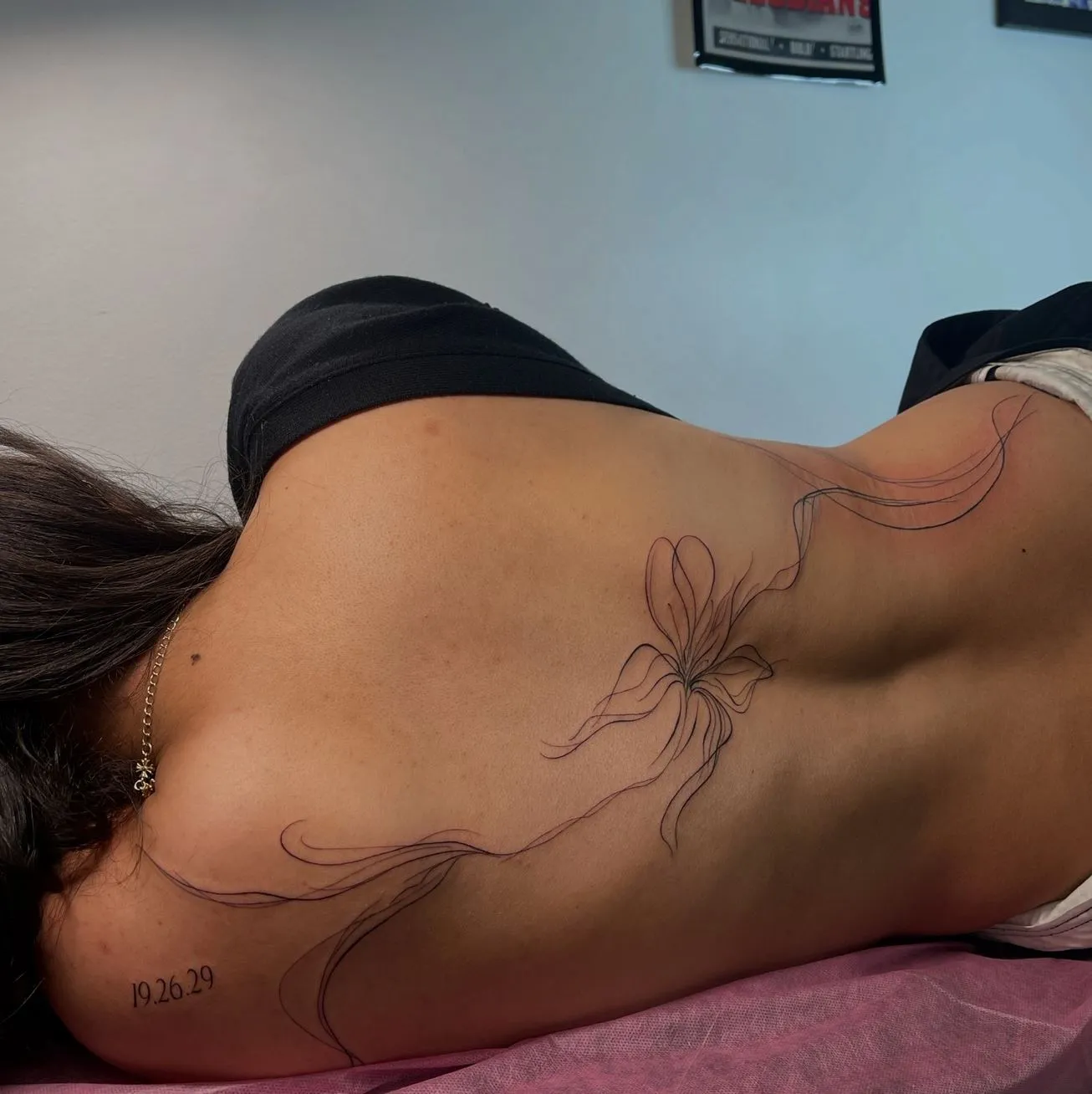
- Oily skin may push out fresh tattoo ink
- Dry skin may form harder scabs that pull out ink particles
- Sensitive or irritated skin increases the risk of infections and allergic reactions
- Dull skin or puffy skin may hide detail or change the tattoo surface clarity
3. Aftercare Mistakes (Even Innocent Ones)
These are the most common aftercare issues we see in the studio:
- Over-moisturising healing scabs during the scabbing phase
- Using scented or alcohol-based products instead of unscented moisturiser
- Exposure to bodies of water (hot water, natural bodies like lakes/oceans, even baths) too soon
- Scrubbing or exfoliating a healing tattoo during the healing phase
- Skipping antimicrobial soap or proper aftercare instructions
4. Tattoo Artist Technique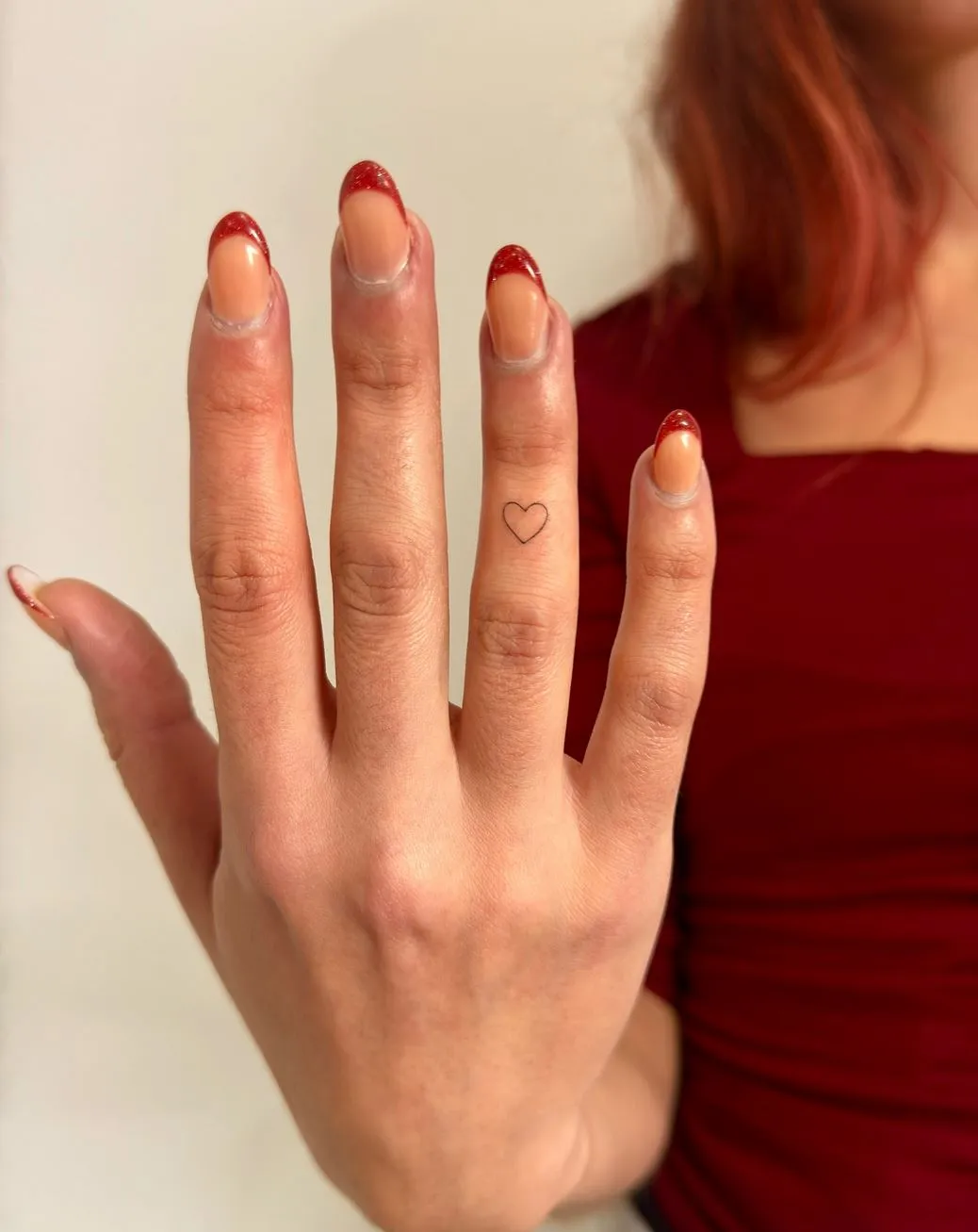
- Ink isn’t deposited deep enough into the correct layer of skin
- Too much trauma causes excess blood or skin irritation
- Tattoo machine or needle choice isn’t ideal for your skin surface
Fine line work requires extra care, a steady hand, and lots of experience with single-needle tattoos and delicate designs.
How to Tell If You Need a Touch-Up
- Ghosted or blurred fine lines after the healing time
- Patchiness or visible dead skin lingering over the ink
- Inconsistent colour or clarity over time
- Design no longer looks like the detailed design you started with
If it’s your first piece of art or you went to a newer tattoo artist, don’t stress. Touch-ups are often part of the process for minimalist designs. And yes, even the best fine line tattoo needs reinforcement sometimes.
Healing Timeline: What to Expect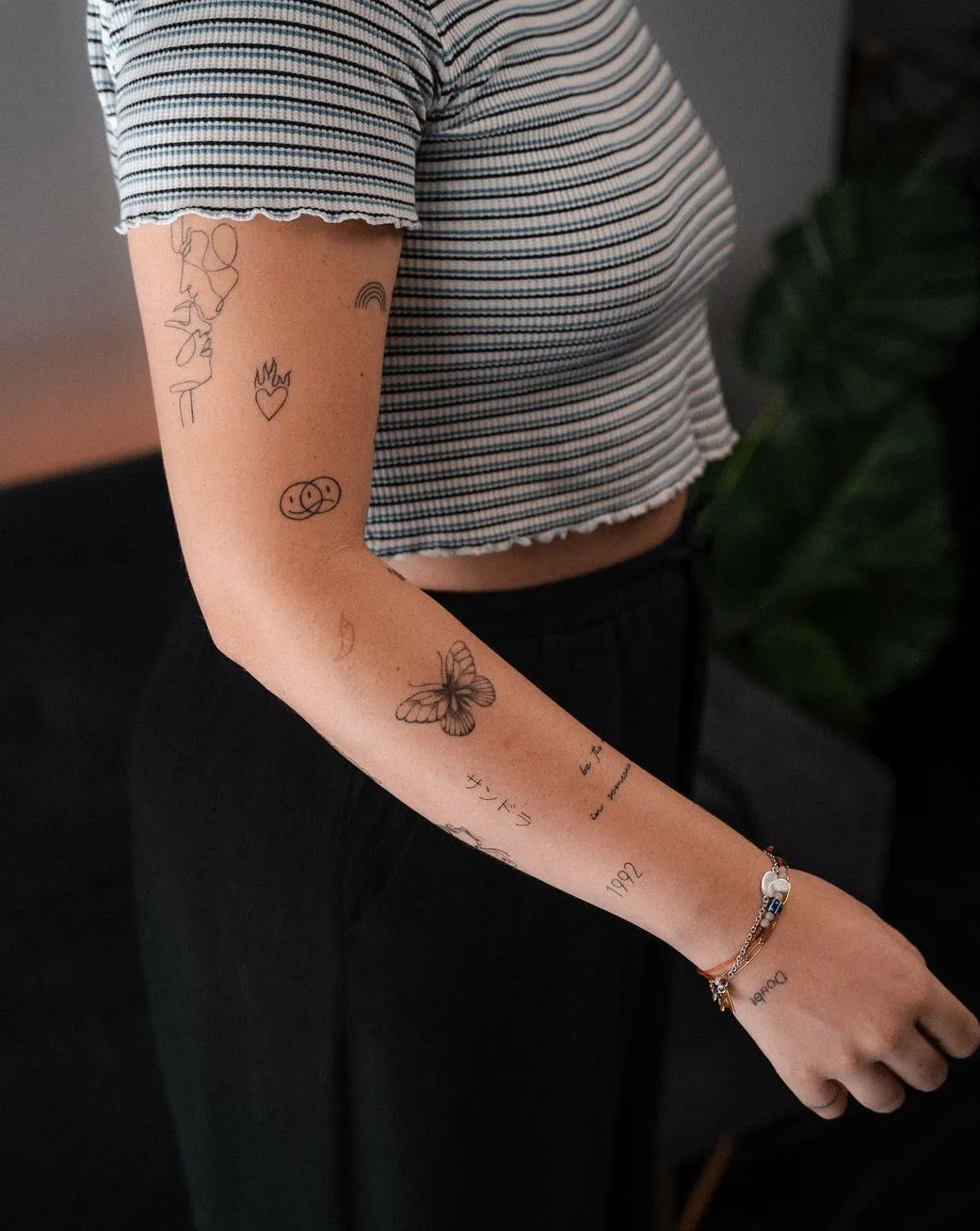
| Timeline | What You’ll See | What to Do |
|---|---|---|
| Days 1–3 | Redness, slight swelling, and excess blood | Wash with antimicrobial soap, apply thin unscented moisturiser |
| Days 4–7 | Flaking, scabbing, and dull skin | Don’t pick, avoid hot water, and use proper aftercare products |
| Week 2 | Skin tightness, tattoo dry, faded look | Avoid the sun, exfoliation, and bodies of water |
| Weeks 3–4 | Peeling finishes, clarity returning | Let skin heal fully, no alcohol-based products |
| Week 5+ | The final layer of the tattoo is visible | Assess for touch-up with an experienced tattoo artist |
Healing
Tattoo healing doesn’t end after 2 weeks. Think of it like skincare for a very precise appearance:
- Avoid tattoos in water (pools, spas, oceans) during healing
- Use unscented soap and moisturiser
- Keep the skin hydrated to support healing skin
- Avoid hot water during healing
- Use SPF to prevent tattoo ages or fading
- Watch for signs of potential infection or allergic reaction
- Stay away from alcohol-based aftercare products
The outer layer heals first, but the deeper layers take time. Regular tattoos and fine line tattoos alike benefit from attention to healing over an extended period. A fine line tattoo, in particular, needs a little extra love to stay crisp.
The 2025 Trend
Fine line tattoos and subtle designs are trending hard. Celebrity tattoo artists and influencers have made them the go-to type of tattoo for first-timers. But more demand means more room for error.
- More minimalist designs = more requests for extra care
- Fine line touch-ups have increased by 20% compared to traditional tattoos
- Clients booking in after 6 weeks are concerned about the healing tattoo looking broken or faint
This is why proper aftercare and an experienced tattoo artist matter more than ever. If you’re considering a fine line tattoo, make sure your artist has the background to match the design’s precision.
Final Thoughts
Healing tattoo ink doesn’t always behave the way we expect. The tattoo process creates tiny wounds. Your body sends white blood cells to clear ink particles, sheds layers of skin, and builds a new skin surface. It’s biology — not bad work.
If you’ve followed your aftercare routine and still feel unsure, book an appointment time to check in with your artist. A skilled tattoo artist will never mind answering your questions.
Need help figuring out your healing timeline or deciding on proper care? Get in touch. We’ll walk you through it like we would in the studio.
FAQ
Is it normal for my fine line tattoo to look faded after 1 week?
Yes! It’s part of the normal healing process. The outer layer is still forming, and your healing skin may look dull or cloudy.
How long should I wait before getting a touch-up?
Wait a full 4–6 weeks to allow the healing phase to finish. Then assess your tattoo surface for fading or broken lines.
Do fine line tattoos always need touch-ups?
Often, yes — especially for types of tattoos that involve skinny lines or sit in high-friction zones. Tattoo style matters.
Will sunscreen help my tattoo last longer?
Absolutely. UV is a major cause of fading in fresh tattoo ink and aged tattoos. Protect your piece of art daily.
Can I prevent fading with better aftercare?
Proper aftercare helps. Use unscented soap, avoid tattoo in water, skip actives, and keep skin hydrated. But some fading is inevitable depending on your skin type and tattooing process.
 Alexander Harris
  Bohdan-admin